
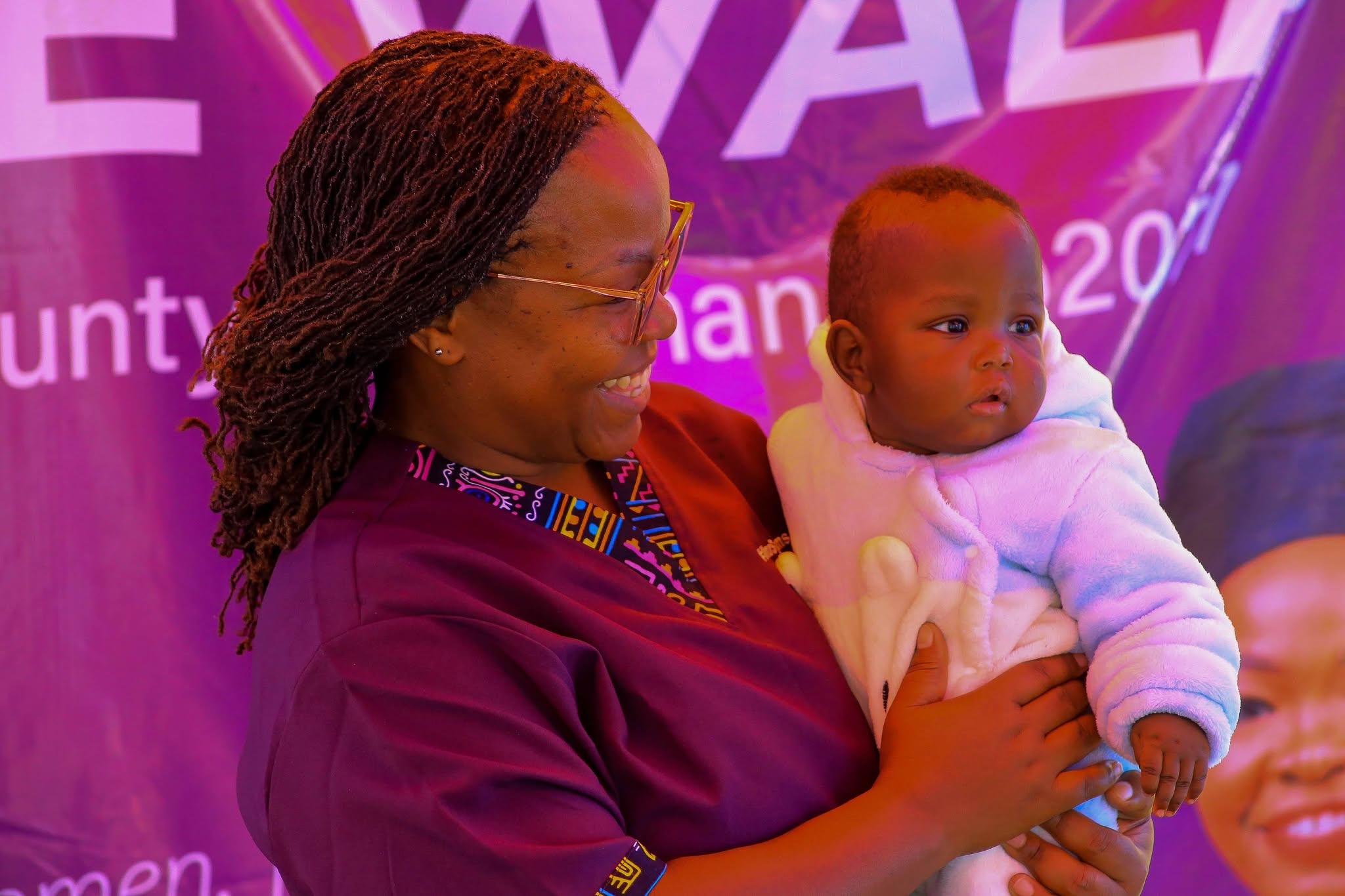
It is World Breastfeeding Week, 1st–7th August 2026, under the theme: “Breastfeeding for a Sustainable Start in Life.”
Let us have an honest conversation.
Breastfeeding is, without doubt, the best choice for most babies. But while we promote and protect breastfeeding, we must also acknowledge the reality that not every mother can exclusively breastfeed.
Some mothers struggle because of stress, illness, medication, premature birth, or multiple births. Others simply do not produce enough milk. And sometimes, despite a mother’s very best efforts, breastfeeding does not work as planned.
I know this personally. 16 years ago, I had triplets. I had two breasts and three babies. What happens to the third baby? My triplets were born prematurely, at 34 weeks. My milk had not yet “come in.” My neonatologist was a strong believer in exclusive breastmilk and, in the absence of breastmilk, my babies were initially given glucose water. I was incredibly stressed.
Eventually, he went on leave, and another neonatologist took over. She introduced neonatal formula feeds, allowing me to relax. And guess what? My milk production eventually began. It was still not enough to exclusively feed three babies. When we were discharged, we went home with formula to supplement breastfeeding.
I had never prepared formula before. Yet, because of restrictions around formula education, healthcare providers were not permitted to teach mothers how to prepare or feed formula. So, as a new mother of premature triplets, I was left to figure it out on my own.
This experience shaped my views on how we approach breastfeeding as a health system.
I remember, during my time working in the health sector, challenging the blanket approach to restricting information and education around infant formula. My concern was that when you remove information without providing a safe alternative, you can create a vacuum. And nature—and desperate mothers—will fill that vacuum.
When mothers cannot access breastmilk or safe, appropriate alternatives, they may turn to options such as cow’s milk or porridge, which may not meet the nutritional needs of young infants.
This is why our systems must be designed around mothers and babies—not around judgement. As an African society, we sometimes judge mothers who are not breastfeeding. We stereotype them. We question them. Sometimes, we even call them out publicly.
But what does that achieve?
It adds stress to a mother who may already be struggling. And stress can make an already difficult breastfeeding journey even harder.
If we genuinely want mothers to breastfeed successfully, we must create the conditions that make breastfeeding possible: supportive families, healthy workplaces, adequate maternity leave, access to skilled lactation support, respectful healthcare, good maternal nutrition, and mental health support.
And when breastfeeding is not possible, we must ensure that mothers have access to safe, evidence-based alternatives and the information they need to use them correctly.
The goal should always be a healthy, thriving baby and a healthy, supported mother.
So, as we celebrate World Breastfeeding Week, let us continue to protect and promote breastfeeding. But let us also build systems that do not shame the mother who cannot.
Support the mother. Educate her. Give her options. Protect her dignity.
Because a sustainable start in life begins not only with what we feed our babies, but with the systems and communities we build around the mothers who feed them.
When systems work, mothers don’t have to struggle alone.
Ahsante #mamasystems
Leave a Reply